Glaucoma is a group of eye conditions that damage the optic nerve, usually due to elevated intraocular pressure (IOP). It's a progressive disease and one of the leading causes of irreversible blindness worldwide. Managing glaucoma requires ongoing attention and care to maintain eye health and preserve vision. This blog explores various aspects of living with glaucoma, focusing on effective strategies for managing eye pressure and maintaining quality of life.
Understanding Glaucoma
Glaucoma develops when the fluid inside the eye, called aqueous humor, does not drain properly, leading to increased pressure within the eye. This elevated pressure, known as intraocular pressure (IOP), can damage the optic nerve, which transmits visual information from the eye to the brain. Over time, this damage results in gradual vision loss and, if untreated, can lead to blindness. Glaucoma implant surgery may be considered as a treatment option to help manage and reduce this elevated pressure.
There are several types of glaucoma, with primary open-angle glaucoma being the most common. This type typically progresses slowly and may not cause symptoms until significant vision loss has occurred. Other types, such as angle-closure glaucoma, involve a sudden increase in IOP and require immediate medical attention.
Tips for Managing Glaucoma
- Regular Eye Exams: Early detection through regular eye exams is crucial for managing glaucoma effectively. Comprehensive eye exams can detect signs of glaucoma before you notice any vision changes, allowing for early intervention to prevent further damage.
- Follow Treatment Plans: Treatment for glaucoma aims to reduce IOP to prevent optic nerve damage. This may involve medications (eye drops, pills), laser therapy, or surgery. It's essential to follow your ophthalmologist's treatment plan diligently, including taking medications as prescribed and attending follow-up appointments.
- Monitor IOP: Regular monitoring of intraocular pressure is necessary to assess the effectiveness of treatment and make adjustments as needed. Your ophthalmologist will measure your IOP during check-ups using specialized equipment.
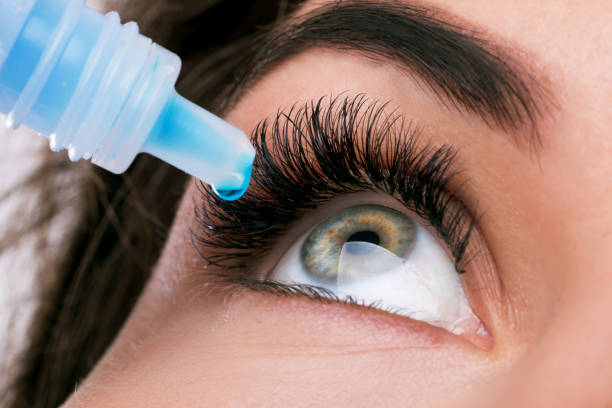
- Use Eye Drops Correctly: If prescribed eye drops, use them as instructed by your doctor. Proper technique ensures the medication reaches the eye and can effectively lower IOP. Tips for administering eye drops include washing hands before use, tilting your head back, and pulling down the lower eyelid to create a pocket for the drop.
- Maintain a Healthy Lifestyle: Certain lifestyle factors can influence eye health and overall well-being. Eating a balanced diet rich in antioxidants and nutrients (like vitamins A, C, and E) can support eye health. Regular exercise can also improve blood flow, which may benefit the optic nerve.
- Manage Stress: Chronic stress can affect eye pressure in some individuals. Practice stress-reducing techniques such as deep breathing, meditation, yoga, or engaging in hobbies you enjoy.
- Protect Your Eyes: Wear sunglasses that block UV rays to protect your eyes from sun exposure, which can contribute to eye damage. Safety goggles should be worn during activities that pose a risk of eye injury.
- Stay Informed: Educate yourself about glaucoma and its management. Understand your treatment options, potential side effects of medications, and when to seek urgent medical attention. Find the best specialist for glaucoma treatment. Being informed empowers you to make decisions about your eye health.
Lifestyle Adjustments
Living with glaucoma often involves making lifestyle adjustments to manage the condition effectively and maintain your quality of life:
- Smoking Cessation: Smoking can increase the risk of developing certain types of glaucoma and may worsen the condition in those already diagnosed. Quitting smoking can benefit overall eye health.
- Limit Caffeine: Some studies suggest that excessive caffeine intake can temporarily increase IOP. If you notice sensitivity to caffeine, consider reducing your intake.
- Sleep Position: Sleeping with your head elevated slightly may help reduce intraocular pressure during the night.